

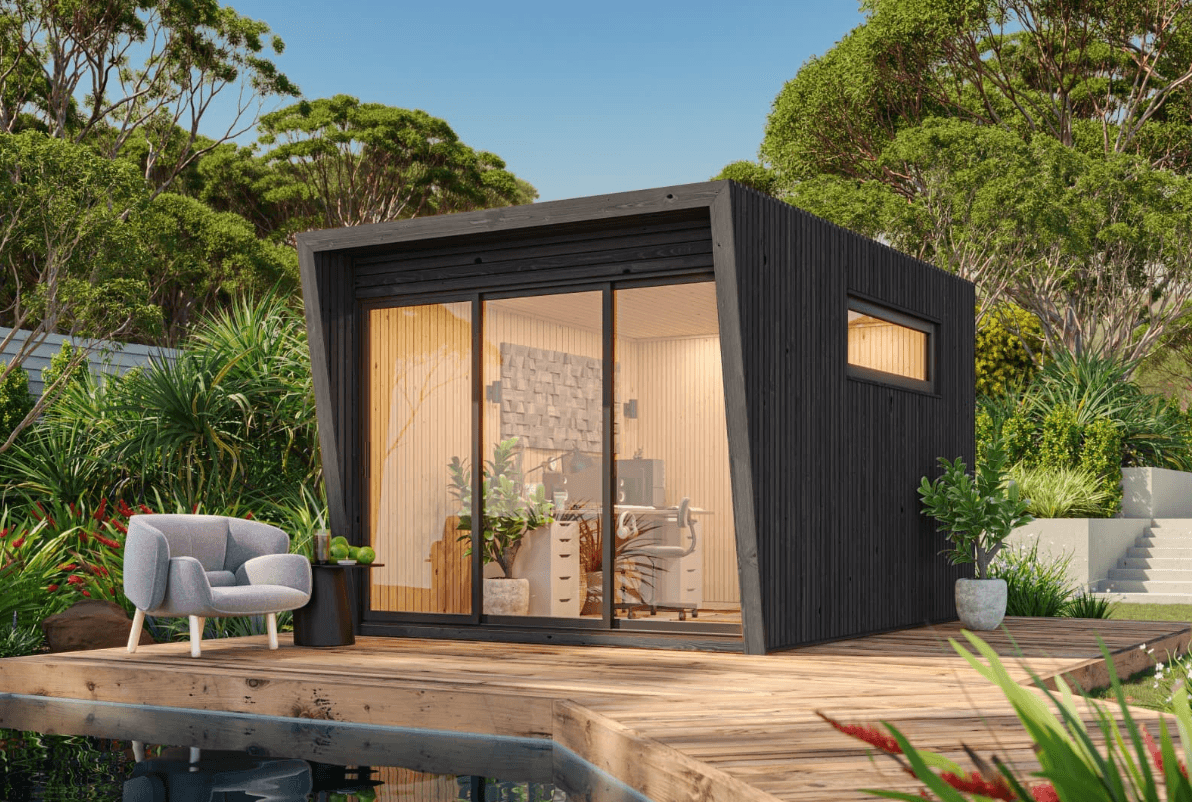
Auckland homeowners have a new tool in their toolbox: the ability to build certain small structures, like sheds or 30m² sleepouts, without going through a full building consent. Introduced under Clause 45 of the Building (Exempt Building Work) Order 2024, this change has sparked excitement—and some confusion. Let’s break down what it really means, the pros and cons, and how to make sure your project complies.
What the “No Consent” Rule Actually Means
It’s important to understand what “no consent” does—and doesn’t—do. While you don’t need a full building consent, this doesn’t mean you can build anything, anywhere. Council involvement is still required for safety and infrastructure reasons. The exemption is mainly about reducing paperwork for low-risk, small-scale projects.
Key limits include:
Single-storey, detached structures
Maximum size: usually 30m² (for sleepouts or sheds)
No full kitchen or laundry facilities
Must comply with the Building Code for structure, fire, moisture, and safety
Step-by-Step Guide to Comply
Check zoning and site constraints
Ensure your property complies with the Auckland Unitary Plan: setbacks, height limits, yard rules, and impermeable surfaces.
Remember: this exemption doesn’t override planning or zoning rules—it’s about building consent, not resource consent.
Design within exemption limits
Keep it single-storey, under 30m², and low-risk.
Include proper structural, fire, and safety measures.
Engage a Licensed Building Practitioner (LBP) or engineer
Even exempt buildings require design documentation.
This covers foundations, structure, bracing, cladding, insulation, and moisture protection.
Submit a ‘Record of Exempt Building Work’ to Council
This is not a full consent application but notifying council is required.
Council reviews it to ensure your project meets exemption rules and records it on your property file.
Get council sign-off for infrastructure
Even exempt work touches broader networks. Council approval may be required for:
Drainage connections
Stormwater management and soakage
Setback compliance
Infrastructure capacity
Build according to your approved plans
Construction can begin once council confirms exemption and infrastructure requirements are met.
Stick exactly to your approved design to maintain compliance.
Keep all documentation
Keep engineer plans, council correspondence, and exemption approvals.
Future buyers, valuers, and LIM reports will require proof of compliance.
Pros and Cons of the Exemption
Pros:
Faster and simpler than full building consent
Lower fees and less paperwork
Encourages the use of small sleepouts or sheds for living or working spaces
Still ensures basic safety and compliance
Cons:
Not a “hands-off” process—council still reviews critical elements
Limited to smaller, low-risk structures
You still need professional design and documentation
Any deviation from approved plans can void the exemption
Bottom Line
The “no consent” exemption is a step forward for homeowners looking to build small, low-risk structures. But it’s not a free-for-all. Compliance with zoning, building code requirements, and council infrastructure checks is still mandatory. If done correctly, it can save time and cost while still ensuring your new shed or sleepout is safe, legal, and recorded on your property file.
