

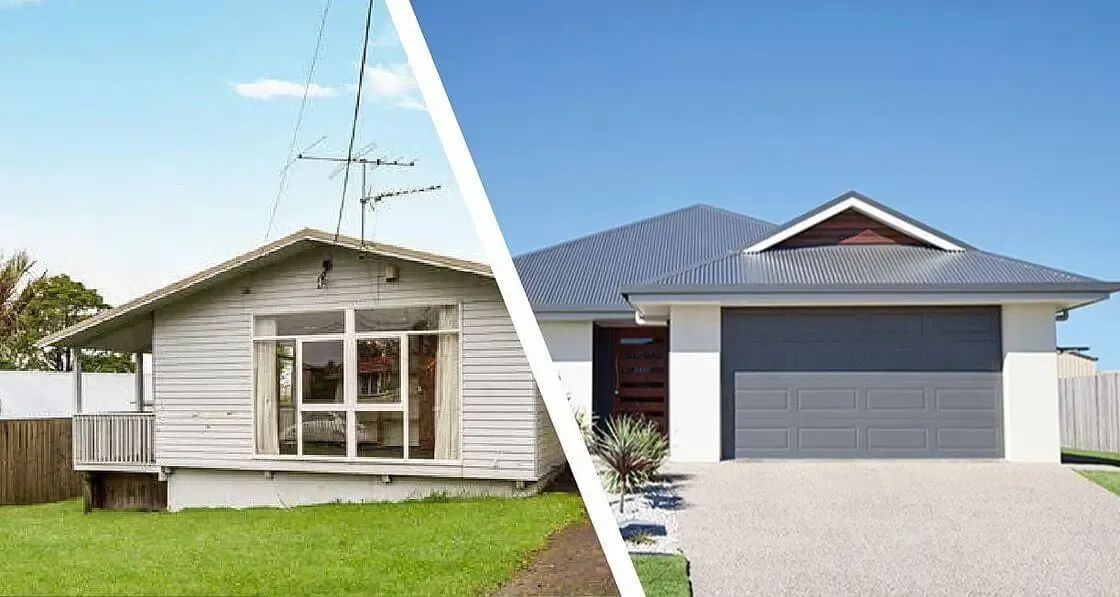
When it comes to finding your dream home, many buyers are torn between building a brand-new property or purchasing an existing one. Both options come with their unique advantages and challenges, so understanding the differences can help you make a more informed choice. Here's a breakdown of some of the key factors to consider, including costs, timing, and the buying process.
Predictability and Pricing: New Builds Provide Transparency
One of the biggest appeals of a new build home is that it typically comes with a fixed price. This means you know exactly what you're paying for, which eliminates the stress of bidding wars and unexpected expenses. In contrast, buying an existing home, particularly in competitive markets, often requires going through an auction process where prices can skyrocket beyond expectations. This lack of price certainty in pre-existing home purchases can lead to significant over-budget situations.
New Builds:
- Fixed pricing offers transparency and peace of mind.
- Avoids the emotionally and financially draining auction process.
- Options to upgrade or customise features, meaning you get exactly what you want within your budget.
Pre-Existing Homes:
- Prices may vary, especially if bidding wars are common in your area.
- Auctions can lead to spending more than initially planned, with no guarantees.
- You may encounter unforeseen repair or renovation costs.
The Pace of the Buying Process
A new build allows for a more measured pace, often taking months from design to completion. This timeline gives buyers more time to organise finances, arrange inspections, and conduct due diligence without the urgency associated with competing offers. In contrast, the process of purchasing an existing home can feel rushed, particularly if auctions or multiple offers are involved.
New Builds:
- Offers time to work through financing without a rush.
- Provides flexibility for detailed due diligence throughout the building process.
- The extended timeline allows you to align your move with your personal schedule.
Pre-Existing Homes:
- Can be a quicker process, with ownership sometimes transferred within weeks.
- Pressure to complete due diligence and finance approval quickly, especially in competitive markets.
- Potential risk of losing out on a property after investing time and money in inspections or appraisals.
Customisability and Modern Features
If you want a home that reflects your style and meets your specific needs, a new build offers significant advantages. Many builders offer customisation options, allowing you to select finishes, floor plans, and other details to create a home that’s uniquely yours. Existing homes, on the other hand, may require significant renovations to achieve the look and functionality you want.
New Builds:
- Customisation options mean your home is designed to suit your needs.
- Comes with modern design elements and energy-efficient features, potentially reducing future bills.
- New homes usually meet or exceed current building codes, so maintenance and repair costs are minimised for the first several years.
Pre-Existing Homes:
- Unique character and established landscaping, which can be appealing.
- You can move in as soon as the purchase is finalised, avoiding construction wait times.
- Older homes may have desirable locations and established neighbourhoods.
Maintenance and Long-Term Investment
Newly built homes offer the peace of mind that comes with brand-new construction, usually including warranties on structural components and major systems. Pre-existing homes, however, may have hidden issues that require immediate attention or ongoing maintenance.
New Builds:
- Lower maintenance costs in the early years due to new appliances, systems, and warranties.
- Increased energy efficiency, reducing utility bills.
- Modern floor plans that cater to contemporary lifestyles.
Pre-Existing Homes:
- Potential for renovations to add value or personalise the home.
- If well-maintained, an older home can be a great long-term investment.
- Maintenance costs can be higher if repairs or updates are needed.
Environmental and Community Considerations
New builds often incorporate environmentally friendly features like solar panels, energy-efficient windows, and insulation, contributing to lower energy costs and a reduced environmental footprint. Existing homes may lack these features, though they can be retrofitted at an additional cost. Additionally, new developments may be in emerging neighbourhoods, while pre-existing homes are often situated in established communities with mature landscaping, amenities, and a sense of history.
New Builds:
- Eco-friendly options like solar power, double glazing, and sustainable materials.
- More modern layouts that can maximise space and functionality.
- Sometimes located in developing neighbourhoods, which may offer fewer established amenities initially.
Pre-Existing Homes
- Often located in established communities, near schools, shopping centers, and parks.
- Offers a mature landscape and neighbourhood history that may appeal to buyers seeking a sense of community.
- Retrofitting older homes for energy efficiency can be a costly but worthwhile investment.
Final Thoughts
The choice between a new build and an existing home ultimately comes down to personal priorities. If you value transparency, customisability, and the convenience of modern features, a new build may be worth the wait. On the other hand, if you’re looking for a home with character in an established area and are open to potential maintenance and renovations, a pre-existing home could be a better fit.
In either case, careful planning and a clear understanding of your needs and financial capacity will guide you to a home that feels just right.
