

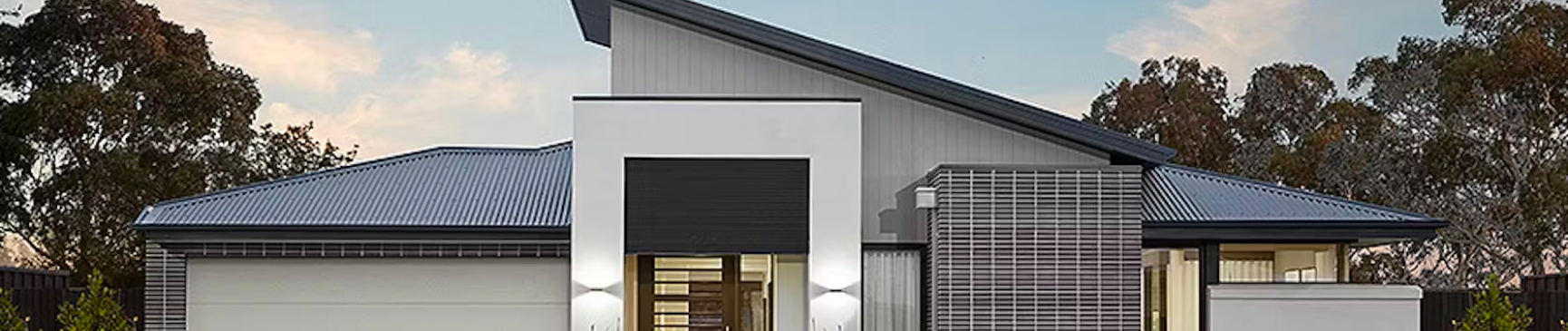
When building and buying your first home, budgeting is one of the most important steps to ensure you stay on track financially and avoid unexpected surprises. Here are some key tips to help you budget effectively for this exciting journey:

1. Understand Your Total Budget
The first step is to get a clear picture of what you can afford. Include not only the cost of the land and construction but also all the additional costs involved in the process. This includes legal fees, council and consent fees, landscaping, interior finishes, appliances, and any additional features you may want to add. Don’t forget about the cost of furnishings and window coverings, as these can add up quickly.

2. Secure Pre-Approval for Financing
Before you start making any decisions, it's crucial to get pre-approved for a mortgage. This will give you a realistic understanding of how much you can borrow. It’s important to factor in the interest rate, repayment terms, and any potential changes in your income or expenses during the build. Pre-approval helps you avoid overspending and ensures you stay within your financial limits.
3. Account for Unexpected Costs
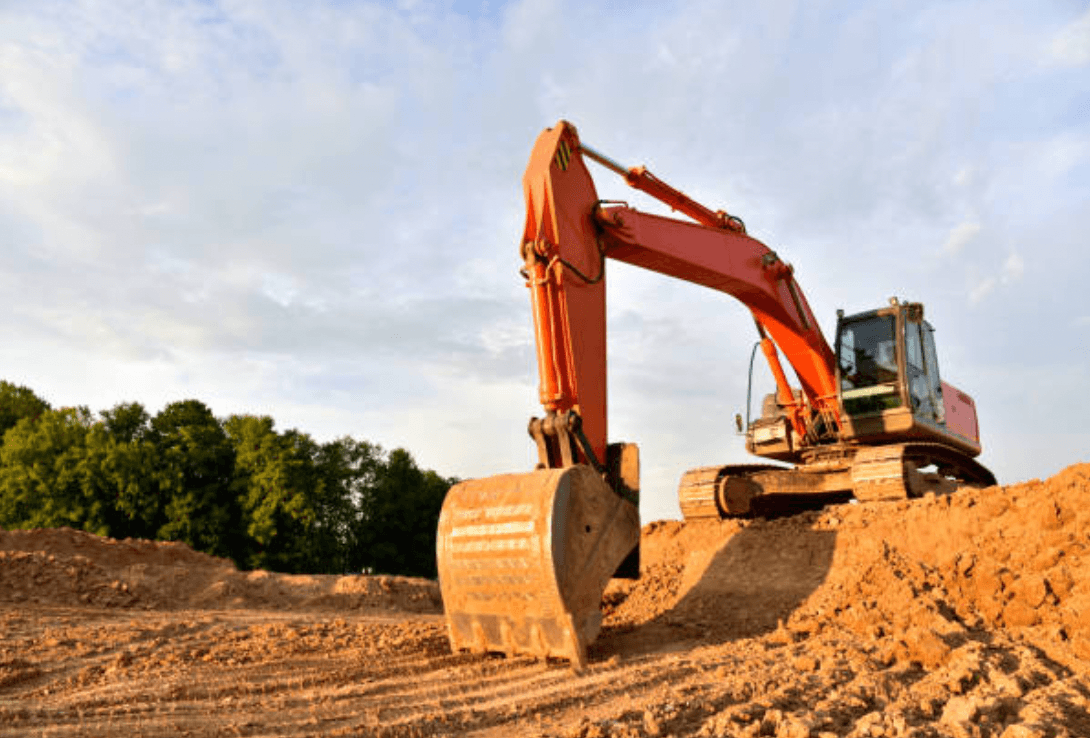
Building a home can come with unforeseen expenses, so it's important to include a contingency in your budget. A common recommendation is to set aside around 10% of your overall budget for unexpected costs. Whether it's a change in design, unexpected site conditions, or delays that extend your project timeline, having extra funds will keep things from becoming stressful.

5. Prioritise Your Must-Haves vs. Nice-to-Haves
Before you get carried away with all the exciting possibilities, it’s helpful to differentiate between what you really need and what you’d like to have. Focus on the essentials—things like structural integrity, layout, and functionality. Once these are accounted for, you can start adding in those optional extras, like upgraded finishes or luxury items, if your budget allows.

6. Work with a Builder Who Offers Transparency
Working with a builder who provides clear, upfront pricing and good communication will be invaluable throughout the process. Hive Homes, for example, offers fixed-price contracts and keeps you informed every step of the way, so you won’t face unexpected costs or delays. Choose a builder who understands your budget and can help you make wise decisions that align with your financial goals.
7. Track Your Spending Regularly
During the building process, it’s easy for costs to start creeping up, so make sure to track your spending regularly. Use budgeting apps or tools to monitor your expenses and ensure you’re sticking to your plan. Regular check-ins will help you stay on top of your finances and identify any potential problems before they become too costly to fix.

8. Save for the Extras
Beyond the construction costs, there are plenty of other expenses, like furniture, appliances, landscaping, and ongoing maintenance. Start saving for these extras early on so you’re not caught off guard when the time comes to move in. If possible, allocate a portion of your savings to these final touches throughout the building process.
By keeping these tips in mind, you’ll be well-equipped to stay within your budget and make smart financial decisions as you build and buy your first home. Budgeting early and having a clear plan will not only give you peace of mind but will ensure your new home is a financial success for years to come.
